Saturday, June 15, 2013

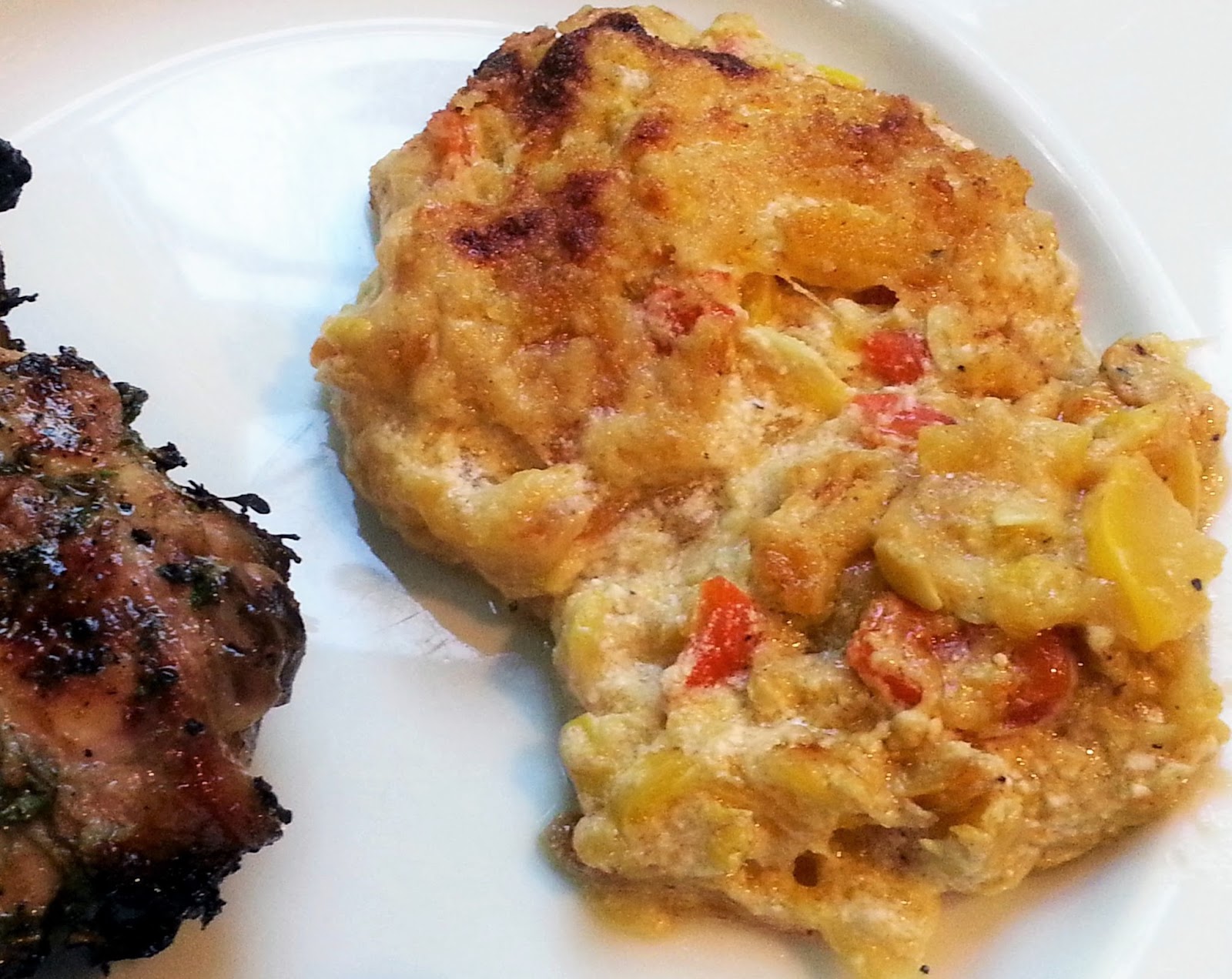
Friday Night Dinner On The Deck...Crispy And Cheesy Zucchini

Pin It


Friday night is my favorite time to cook dinner.  Even when I worked,  it was a time to take out the pots and pans and cook something special perhaps in celebration of two days of R & R!  Now that I am retired I go at it with gusto and try to make it fun for my daughter and me.

Last night was the first Friday in a long time that we have not had a downpour.  The weather this year in this part of the country has been bad for those who work and look forward to a weekend at the lake.  Heavy rain and tornado warnings have been the order of the day and a couple of times already we have sat in front of the TV waiting for the sign to go down to the basement.  Yikes, and I thought hurricanes were bad...at least you get plenty of warning.  The only ones enjoying this weather have been the flowers in the garden; that is, except for the geraniums whose leaves turn brown from so much water.

One of my favorite dishes with steak is zucchini.  I have several ways of preparing them in the summer, usually in combination with tomatoes and onions and basil, of course.  Last night I decided I wanted them simple, crispy and with a little cheese, given the fact that my daughter had already asked for a cauliflower gratin and grilled potobellos.  You should see the amount of Parmeggiano Regiano we go through in this house!

There really is no recipe for making zucchini in this simple way;  but make plenty,  for once cooked they seem to evaporate!

If you are having company for dinner make a strawberry tart for dessert!


For 2 people

Preheat oven to 400 degrees.

Slice 2 zucchinis in fairly thin rounds.  Sprinkle some fresh oregano, salt and pepper.

In a skillet melt 1 TB butter and 2 TB olive oil.  Add 2 cloves of garlic, mashed and thinly sliced.  Sautee until golden and remove to a plate.  Add the zucchini rounds in a single layer and cook undisturbed until browned .  Flip and do the same on the other side.  Remove to a plate.  Cook the rest of the zucchini and if you need to add more butter and olive oil do so but sparingly.  Once all the zucchini are browned transfer to a gratin dish. Sprinkle liberally with Parmesan cheese and drizzle the oil from the pan over the cheese.  Bake for about 20 minutes or until browned on top.

Monday, June 10, 2013

Strawberry Cheesecake For A Mother To Be

Pin It


I just realized that it's been ages since I shared a dessert recipe but I have been lazy this summer and have not entertained at all.  I usually make a dessert when I have guests, a great excuse to try something new and post it on the blog.  The fact that the weather has been miserable doesn't help either.  We have had rain practically every weekend...really big downpours is a better word.

Today, looking at my now inactive lake blog, My Kitchen by the Lake,  I came across a recipe that I am sure most of you have not seen.  It was published almost two years ago shortly after my favorite neighbors moved out of town.  She loves cheesecake and I made this dessert for her farewell dinner.  The original post is here

It also gives me the chance to make it up to Ina after the bad review I gave her frozen meals.  This is her recipe and it's typical of what we have all come to expect from her.  Simple, easy, delicious and more importantly, reliable.

Strawberry cheesecake is a favorite of expectant mothers...wonder why.  If you have one in your life, this will bring a big smile to her face!


Strawberry Cheesecake

Prep 30 min Cook1 hr 30 min


Ingredients

For the crust:

1 1/2 cups graham cracker crumbs (10 crackers)

1 tablespoon sugar

6 tablespoons (3/4 stick) unsalted butter, melted


For the filling:


2 1/2 pounds cream cheese, at room temperature

1 1/2 cups sugar

5 whole extra-large eggs, at room temperature

2 extra-large egg yolks, at room temperature

1/4 cup sour cream

1 tablespoon grated lemon zest (2 lemons)

1 1/2 teaspoons pure vanilla extract


For the topping:

1 cup red jelly (not jam), such as currant, raspberry, or strawberry

3 half-pints fresh raspberries (I used strawberries because that is what she likes and she is expecting!)


Directions

Preheat the oven to 350 degrees F.

To make the crust, combine the graham crackers, sugar, and melted butter until moistened. Pour into a 9-inch springform pan. With your hands, press the crumbs into the bottom of the pan and about 1-inch up the sides. Bake for 8 minutes. Cool to room temperature.

Raise the oven temperature to 450 degrees F.

To make the filling, cream the cream cheese and sugar in the bowl of an electric mixer fitted with a paddle attachment on medium-high speed until light and fluffy, about 5 minutes. Reduce the speed of the mixer to medium and add the eggs and egg yolks, 2 at a time, mixing well. Scrape down the bowl and beater, as necessary. With the mixer on low, add the sour cream, lemon zest, and vanilla. Mix thoroughly and pour into the cooled crust.

Bake for 15 minutes. Turn the oven temperature down to 225 degrees F and bake for another 1 hour and 15 minutes. Check 5 or 10 minutes before in case your oven  runs hot, like mine.  It should not be perfectly set...it should jiggle a bit in the center.

Turn the oven off and open the door wide. The cake will not be completely set in the center. Allow the cake to sit in the oven with the door open for 30 minutes. Take the cake out of the oven and allow it to sit at room temperature for another 2 to 3 hours, until completely cooled. Wrap and refrigerate overnight.

Remove the cake from the springform pan by carefully running a hot knife around the outside of the cake. Leave the cake on the bottom of the springform pan for serving.

To make the topping, melt the jelly in a small pan over low heat. In a bowl, toss the raspberries/strawberries and the warm jelly gently until well mixed. Arrange the berries on top of the cake. Refrigerate until ready to serve.


Note: Measure your springform pan. The bottom of mine measures 9 inches.

Recipe adapted from Ina Garten
Photos Lindaraxa

Thursday, June 6, 2013

Kentucky Benedictine Tea Sandwiches

Pin It


These are everything you would expect from cucumber sandwiches and more. By draining and chopping the cucumbers and incorporating them into the cream cheese mix you won't have to worry about biting into a cucumber that just won't quit!

Perfect for picnics, cocktails, receptions, tea parties, children's parties and a must for the Kentucky Derby. If you choose to serve them with wine, try a French Sancerre (white) or a dry rosé from Provence. Mint juleps is another alternative but you don't need to go overboard.

In order for these to be truly "Benedictine" they must be colored with green food coloring. You can if you must, but I try to avoid food coloring like the plague unless I am making cupcakes for my grandchildren. Instead, try adding something green and leafy like watercress.

I came across the recipe reading old issues of Southern Living and thought my readers would be interested in a variation of an old Southern classic as well as some Kentucky food history about the woman after whom this spread is named


The originals


Benedictine spread was developed in Louisville, Kentucky by Jennie Benedict (Miss Jennie), a Louisville caterer, sometime around the turn of the century. Miss Jennie was a significant force in the Louisville food and business community.
Born in Louisville, Kentucky in 1860, Miss Jennie trained with the famous Fannie Farmer at the Boston Cooking School and returned to Louisville to open her catering business in 1893. She began her business in a small kitchen built in the backyard of her home. She eventually did so well with her catering business that she was able to move to a larger kitchen in downtown Louisville in 1900. She later opened her own restaurant, Benedict's, which was very popular with Louisville clientele.
Jennie Benedict was a fine businesswoman, becoming the first woman on the Louisville Board of Trade. She also helped start the Louisville Businesswoman’s Club in 1897 and was active in Louisville humanitarian efforts. Jennie Benedict is credited with serving the fist school lunches in Louisville - chicken salad sandwiches that were sold from a handcart. Jennie Benedict was quite well known in her time and had opportunities to relocate to larger cities; she chose to stay in Louisville instead for her entire career.
Jennie Benedict retired to her home "Dream Acre", on a bluff overlooking the Ohio River, in 1925 and wrote her autobiography, "The Road to Dream Acre". Jennie Benedict died in 1928 and was buried in Louisville's Cave Hill Cemetery.

Jennie Benedict’s work defined early 20th century middle class cooking in Kentucky and her legacy continues to be found on restaurant menus and served on home tables across the state. Miss Benedict wrote her “Blue Ribbon Cook Book” in 1902. Many of the recipes contained in this cookbook are considered classics, such as Waldorf Salad and Parker House Rolls; many are considered Kentucky Classics. Interestingly, Miss Jennie did not include her recipe for Benedictine in her 1902 Blue Ribbon Cook Book, nor in any of the following three editions published in her lifetime. The recipe for Benedictine is first included in the 5th edition of Blue Ribbon Cook Book, introduced by Susan Reigler, published by University Press of Kentucky in 2008.

The things one learns when publishing a food blog!


Kentucky Benedictine Tea Sandwiches 

Makes 28 tea sandwiches 


Ingredients

  • 2 (8-oz.) packages cream cheese, softened
  • 1 cup peeled, seeded, and finely chopped cucumber (I would add 1 1/2 cups)
  • 1/2 cup minced green onions
  • 1/4 cup chopped fresh dill
  • 2 tablespoons mayonnaise
  • a few drops of Worcestershire Sauce 
  • 1/2 teaspoon salt
  • 1/2 teaspoon freshly ground pepper
  • 48 white bread slices
  • watercress leaves (optional)
  • a few drops of green coloring (if you must)
 

Preparation


  1. Stir together first 7 ingredients. Spread mixture on 1 side of 24 bread slices; Add a few leaves of watercress for color if you like.  Top with remaining 24 bread slices. Trim crusts from sandwiches; cut each sandwich into 4 triangles with a serrated knife.

To make a dip add some sour cream

Sunday, June 2, 2013

Moonlight In The Garden

Pin It


Around this time last year I picked up a pot of a climbing hydrangea known as Moonlight.  It was to be a housewarming gift for my daughter's new house.  She loves hydrangeas so this was a different and appropriate gift.  Little did I know what I was getting into.


In the Fall of that year I had a lunch for my friends at the Dawson Arts Council who had invited me to do a presentation on the Art of Entertaining and  invited my friend Sandra Jonas and a couple of the members of the Atlanta Hydrangea Society whom I had met on their tour.


After lunch we had a walk around my pitiful garden exchanging ideas on what to do next.  Sandra had brought me a cutting of one of her hydrangeas,  a specimen I had marveled at during the tour, and we were trying to pick out a good spot.


All of a sudden there was a commotion at the gate leading to the garden in back of the house.  Jeepers, did someone see a snake?!  There I found the ladies marvelling at my newly planted baby bush of the climbing hydrangea.  "I have had one for six years and it has never bloomed" one said to the others.  They all looked closely and Sandra, taking one leaf in her hand whispered..."It's the Moonlight".  The WHAT?! Schizophragma hydrangeoides ’Moonlight’, also known as the Japanese climbing hydrangea. Here is an old post from Sandra. 

Well, no matter, if it didn't bloom for them, it wouldn't bloom for me.  Great excuse.  I poured over every book I could find and, sure enough,  they all said the same thing...patience.  It is the most beautiful climber you will ever find and if you are really patient it will reward you with beautiful blooms in..oh about eight years.  But don't give up.  Great, I would probably be dead by then,  although I was consoled by the fact that the leaves were beautiful and we should be so lucky as to have it in our garden. 


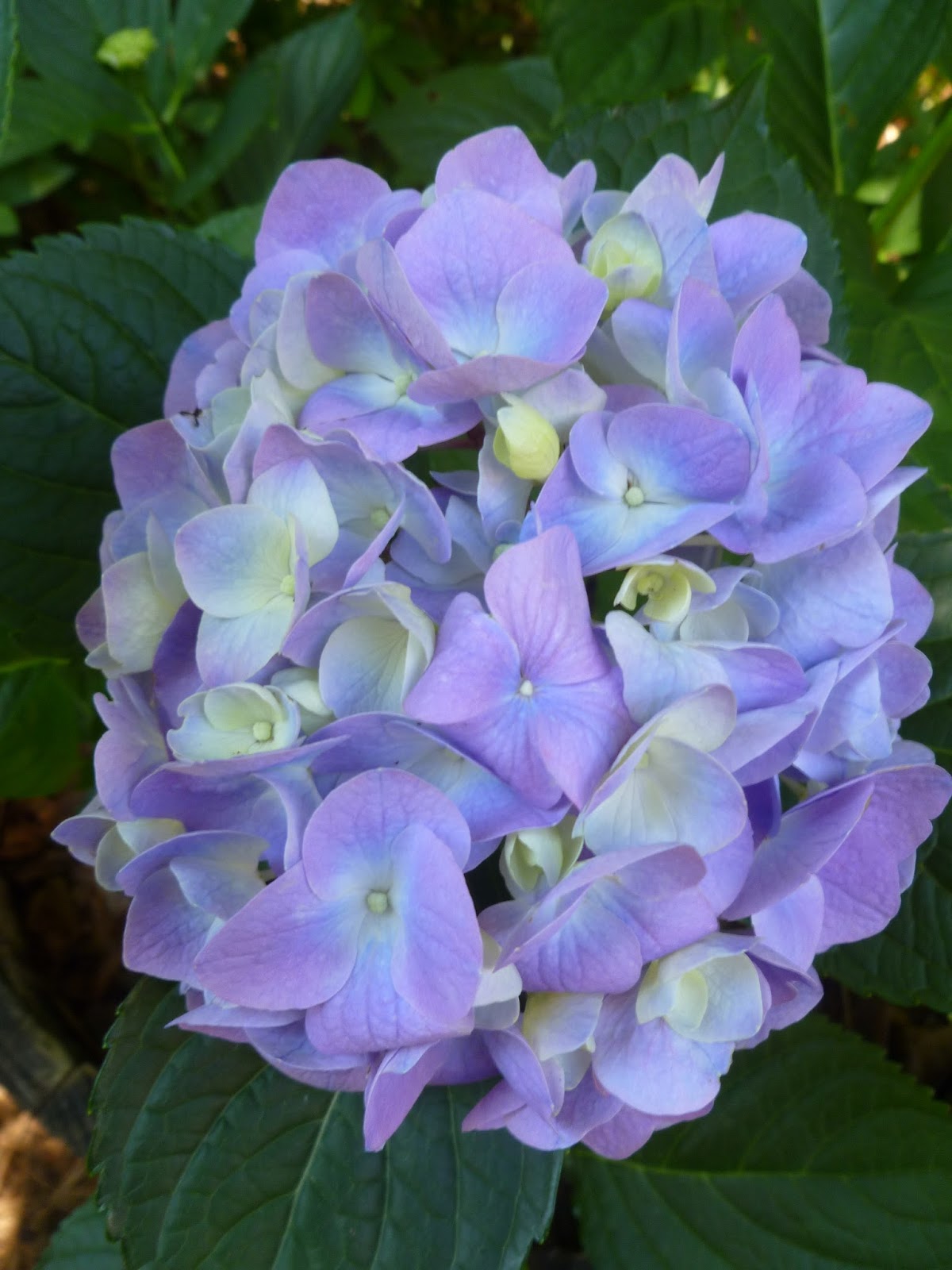
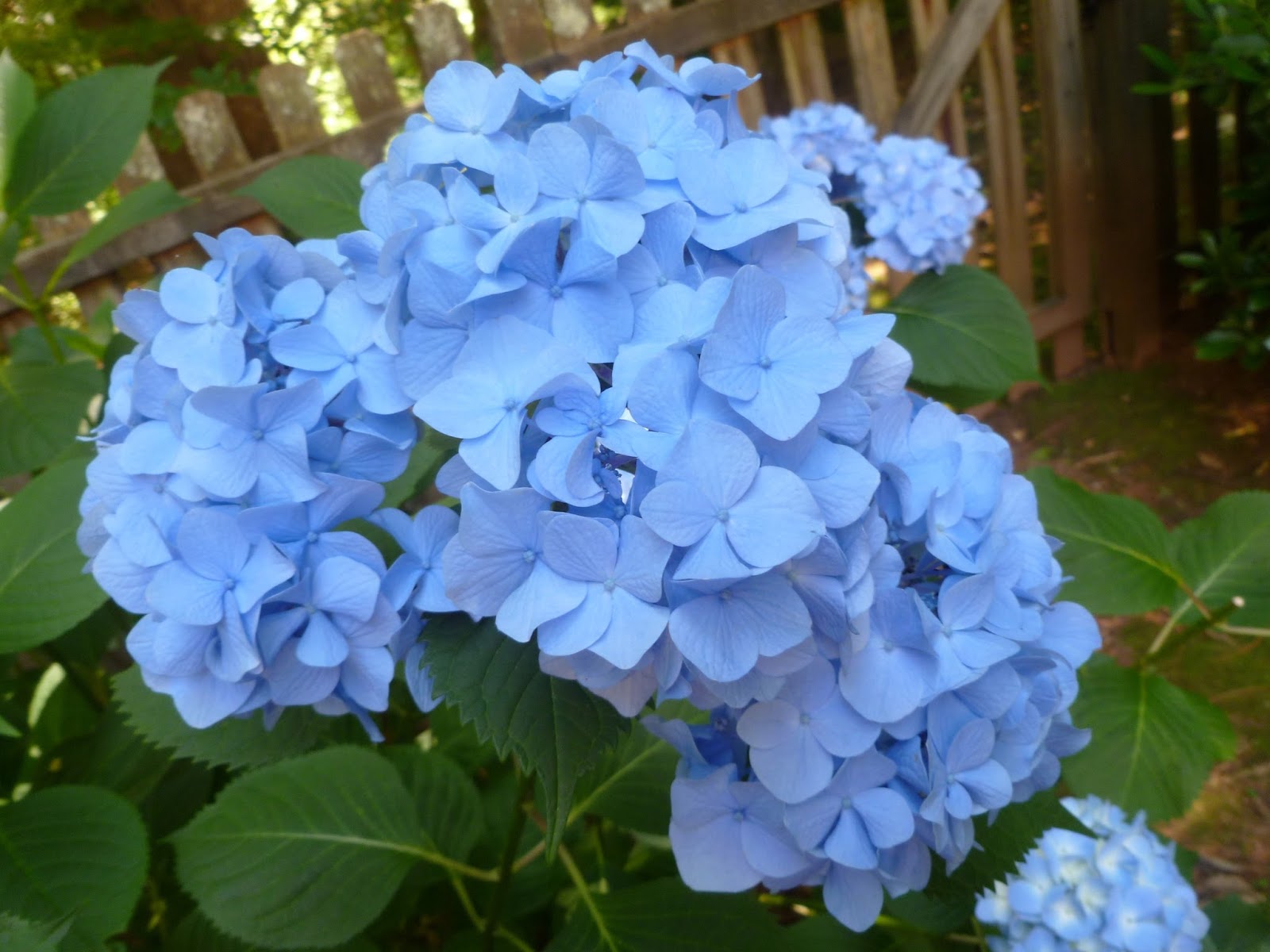
Well, dear readers, I didn't have to wait long.  About a couple of months ago, less than a year after my daughter had put it in the ground, this thing went from dead twigs to this:


and then this:


And finally, when I returned from New York I was greeted with this:


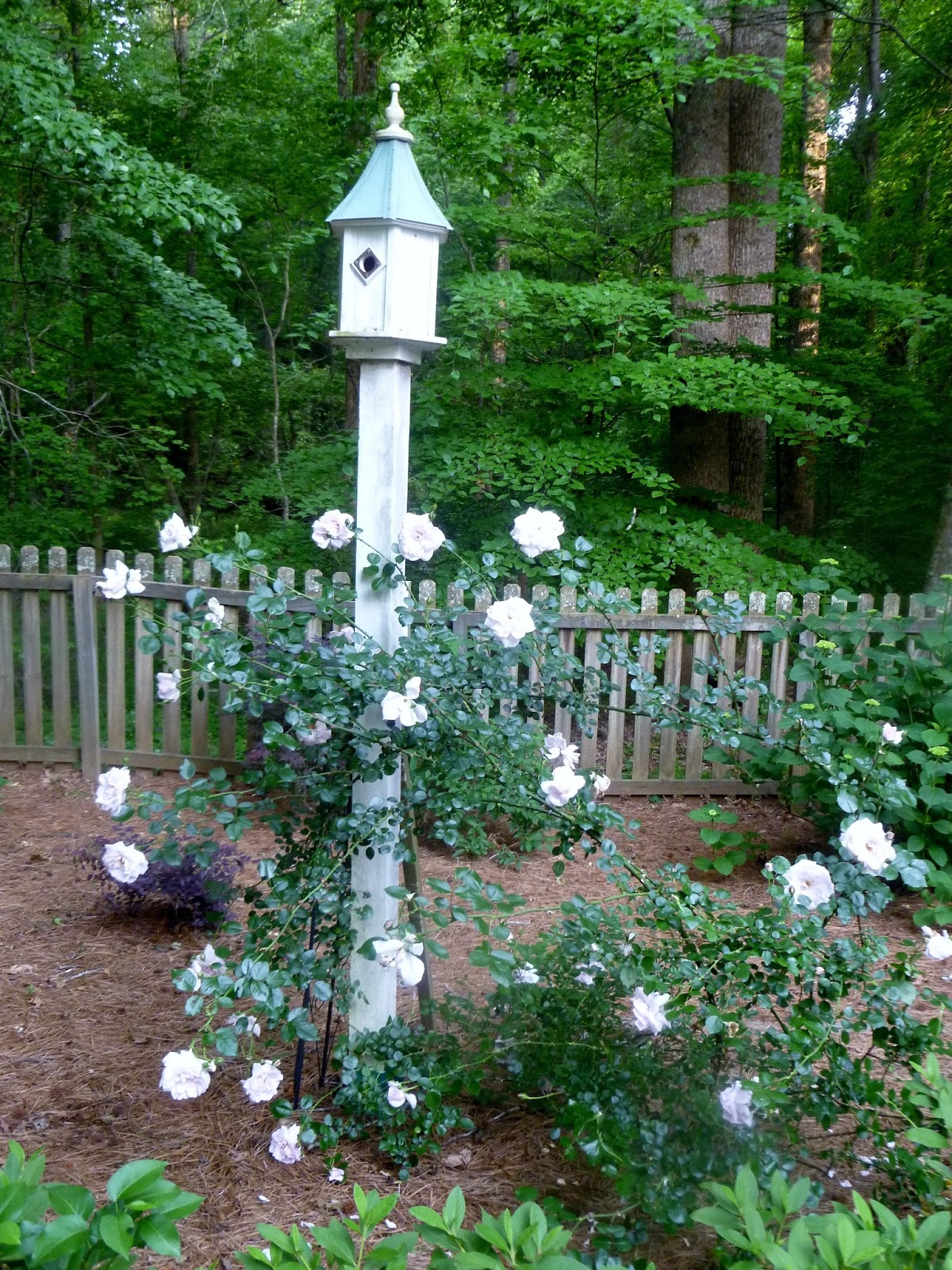
Talk about beginners luck! And the smell...to die for!  Goes to show you, its about a plant liking its environment.  The dryer vents a couple of feet away.  Could that be the game changer? Frankly I don't know and I don't care.  It is simply the most beautiful thing I have ever seen and I can't wait until it gets bigger and climbs all over the fence.  Yes, this is better than living in a condo.  Much, much better!


All photos Lindaraxa

Saturday, May 18, 2013

Halibut En Papillote

Pin It


This is one of the few Easters I have ever spent away from home and, food wise, one of the most exciting.  Not only did I not have to cook for a crowd but I was served a dish that reminded me of a technique I haven't seen in years....  En papillote! 

My neighbor and friend is Swedish and, although she has been here for a number of years, she still adheres to a few European traditions such as fish on Easter Sunday instead of the traditional ham we serve here in the States.  Can you imagine halibut for eight en papillote?  Rather than make individual packets which can be a chore for eight, she overlapped the filets and cooked them in one.  I think we settled for 30 minutes and it was perfect.  So good I can't remember the rest of the menu.


En papillote was a technique popular in the fifty's and sixty's, particularly in the bastions of Haute Cuisine like the iconic Le Pavillon.  I remember my grandparents always ate there when they came to New York and if my parents were in town,  they got to tag along.  From there everyone went to El Morocco, although my grandmother always pleaded a headache much to my grandfather's delight.  Unlike her brothers, she was not much of a night clubber preferring to stay at the hotel to rest up for another day of shopping.


En papillote (French for "in parchment"), or al cartoccio in Italian, is a method of cookingin which the food is put into a folded pouch or parcel and then baked. The parcel is typically made from folded parchment paper but other material, such as a paper bag or aluminium foil, may be used. The parcel holds in moisture to steam the food. The moisture may be from the food itself or from an added moisture source, such as water, wine, or stock.

This method is most often used to cook fish or vegetables, but lamb and poultry can also be cooked en papillote. Choice of herbs, seasonings and spices depend on the particular recipe being prepared.

The pouch should be sealed with careful folding.

Although restaurants know how much panache en papillote brings to a dish, there is an additional beauty, one appreciated by too few home cooks: it is fast and uncomplicated in its execution, once you get the knack and understand the principles that underlie the method.


When food is sealed in paper, it cooks in its own juices. It is a more flavorful approach than ordinary steaming and less restrictive than cooking in a hermetically sealed pot. There is no water beneath and no lid above. Ingredients cook quickly because they are surrounded by moist heat. As the package is heated, the air inside expands, and the flavors of the ingredients are swept into it, swirling and mingling, with no escape. The ingredients are, in a sense, cooked with flavored air and form a sauce purely of their own essence.


Yesterday when I went to Costco I found fresh halibut, much to my delight.  I couldn't wait to get home and start on my little pouches.   The end result was memorable, better than I remembered.  

Here is what I did:

You will need parchment paper to make the pouches.  Don't be a sissy, parchment is more elegant than tinfoil and it's a cinch to do the pouches.  Watch this.

Cut the fish in half so you can layer the pieces one on top of the other. Figure on 1/2 lbs per person. For this recipe I used about 3/4 lbs halibut and it was too much to finish (although I did).  The Sous Chef got a bite and she almost bit my hand off.


Take 1 lemon and slice it thin.  Also thinly slice some red and yellow peppers. A TB of minced shallots might be good too!


Lay your paper out as instructed.  Sprinkle some olive oil.  Lay a piece of the fish on the paper.  Salt and pepper. Cover it with overlapping lemon slices and a spring of tarragon.


 Lay the other half of the fish on top. Salt and pepper.  More overlapping slices of lemon and top with the peppers.


 Lay a spring of tarragon (or two) on top and sprinkle with more olive oil.  Add about 2 TB. dry Vermouth or white wine.  If you are not watching your weight you might add a tad of sliced butter.  Fold the pouch as instructed.


Cook at 400 degrees for about 15 minutes.  Time will depend on the amount of fish you are cooking.  When you start smelling the fish it's done!


The possibilities are endless.  I am not too excited about cooking meat or poultry en papillote but fish?...it is the best.  My halibut tasted as if it had come out of the water just that afternoon!  I am going to dig into some of my old French cookbooks and get more ideas.  En papillote...here I come!  Oh, and I forgot...no pans to clean. I was truly in heaven! Thanks dear Karin.


Sunday, May 12, 2013

A Red Carnation For Mother's Day

Pin It


Mother's Day is celebrated throughout the world in many ways and on many different days.  The holiday was started in Grafton, West Virginia in 1907 by Anna Jarvis  as a tribute to her mother, Ann Maria Reese Jarvis who founded The Mothers Day Work Clubs to improve health and sanitary conditions.  The clubs also treated, fed and clothed wounded soldiers during the U. S Civil War.

She grew disenchanted after the commercialization of the holiday and actively campaigned against it.  According to her New York Times obituary, Jarvis became embittered because too many people sent their mothers a printed greeting card. As she said,
A printed card means nothing except that you are too lazy to write to the woman who has done more for you than anyone in the world. And candy! You take a box to Mother—and then eat most of it yourself. A pretty sentiment.
—Anna Jarvis.

She never married and had no children.


In Pre Castro Cuba we had what I thought was a  beautiful tradition.  Everyone got dressed and went to church wearing a carnation in honor of one's mother.  Red if your mother was alive,  white if she had passed away.  Better than a printed card no?


In honor of my favorite Madame Mere,  tomorrow I will be proud to wear a red carnation. 

Thursday, May 9, 2013

Salmon Rilletes

Pin It


 A few of you asked for the recipe for the salmon rilletes.  It is from the famous New York restaurant Le Bernardin and can be found in Eric Rippert's cookbook On The Line which you can buy here .


Ingredients

  • 2 cups dry white wine
  • 1 tablespoon minced shallot
  • 1 pound skinless salmon fillet (preferably wild), cut into 1-inch pieces
  • 3 ounces smoked salmon, cut into 1/4" pieces
  • 1/2 cup (or more) mayonnaise
  • 2 tablespoon thinly sliced fresh chives
  • 1 tablespoon (or more) fresh lemon juice
  • Fine sea salt and freshly ground white pepper
  • 1 baguette, thinly sliced, toasted

Preparation

  • Bring wine and shallot to a boil in a small saucepan over high heat. Reduce heat to low; add salmon. Gently poach until salmon is barely opaque in center, about 5 minutes. Using a slotted spoon, transfer to a paper towel-lined plate to drain. Strain poaching liquid through a fine-mesh sieve; set aside shallot and discard liquid. Place salmon and shallot in a large bowl; cover and chill until completely cooled.
  • Add smoked salmon, 1/2 cup mayonnaise, chives, and 1 Tbsp. lemon juice to salmon and shallot. Gently mix just to combine (salmon will break up a little, but do not overmix or a paste will form). Season to taste with salt, pepper, and more mayonnaise and lemon juice, if desired. DO AHEAD: Rillettes can be made 1 day ahead. Cover and chill.
     
  • Serve rillettes cold with toasted slices of baguette.

Read More http://www.bonappetit.com/recipes/2012/09/salmon-rillettes#ixzz2SMloo2ru

LinkWithin

Related Posts with Thumbnails
Pin It button on image hover